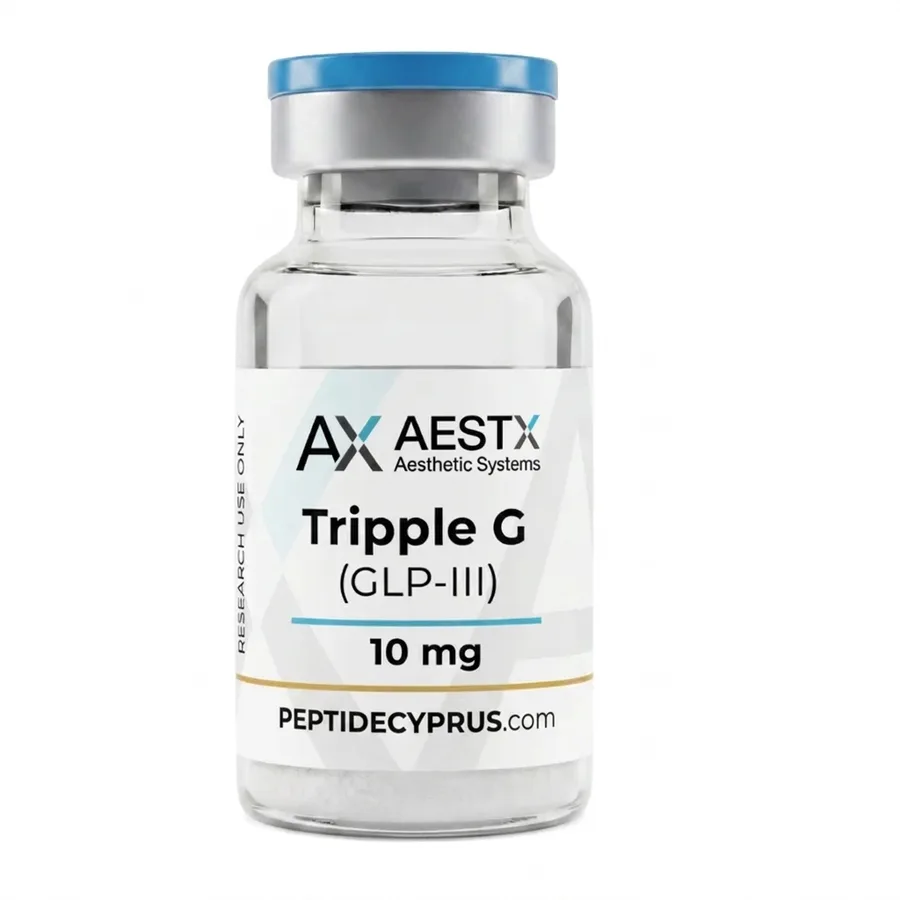
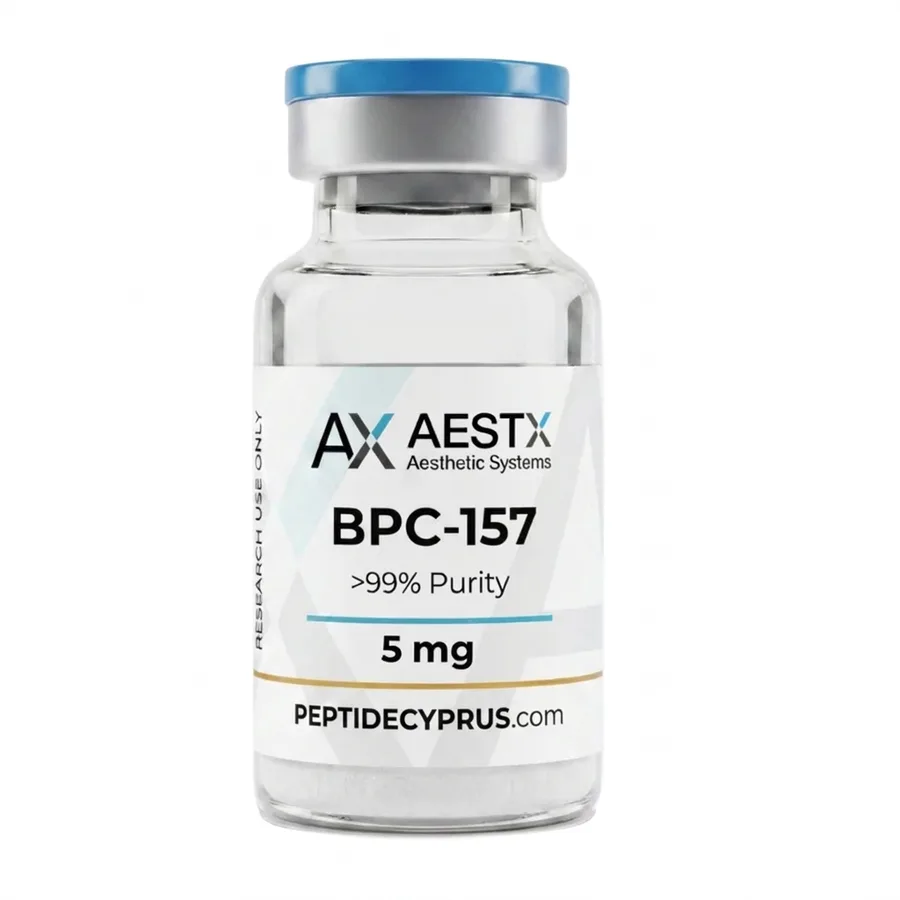
Key takeaways
- Reconstitution = dissolving the lyophilized standard in bacteriostatic water to a known concentration.
- Concentration (mg/ml) = peptide mass ÷ diluent volume.
- On a U-100 syringe, 1 unit = 0.01 ml — the calculator converts this to mcg per unit.
- Refrigerate at 2–8 °C after reconstitution; this is a laboratory-measurement step only.
What reconstitution means
Reconstitution is dissolving a lyophilized (freeze-dried) reference peptide in a diluent — bacteriostatic water — to reach a known concentration for laboratory measurement. It is a measurement step, not a preparation for any human or animal use.
The steps
Bring the sealed vial to room temperature. Add a measured volume of bacteriostatic water slowly down the inside wall of the vial — never directly onto the powder. Let it dissolve without shaking; gentle swirling is enough. Record the volume added: concentration depends entirely on it.
The concentration maths
Concentration (mg/ml) = peptide mass (mg) ÷ diluent volume (ml). For example, a 10 mg vial reconstituted with 2 ml gives 5 mg/ml, or 5000 mcg/ml. On a U-100 syringe, one unit = 0.01 ml, so 5000 mcg/ml is 50 mcg per unit. Our reconstitution calculator does this for you and shows the exact draw.
Storage after reconstitution
Once reconstituted, keep refrigerated at 2–8 °C and protected from light. Label the vial with the concentration and date.
Frequently asked
Research use only. This reference material is for in-vitro laboratory research. Not for human or animal consumption.