Key takeaways
- A COA is a batch-specific record of the tests a material passed before release.
- Check: product, batch number, HPLC purity (≥99%), LC-MS identity, test date.
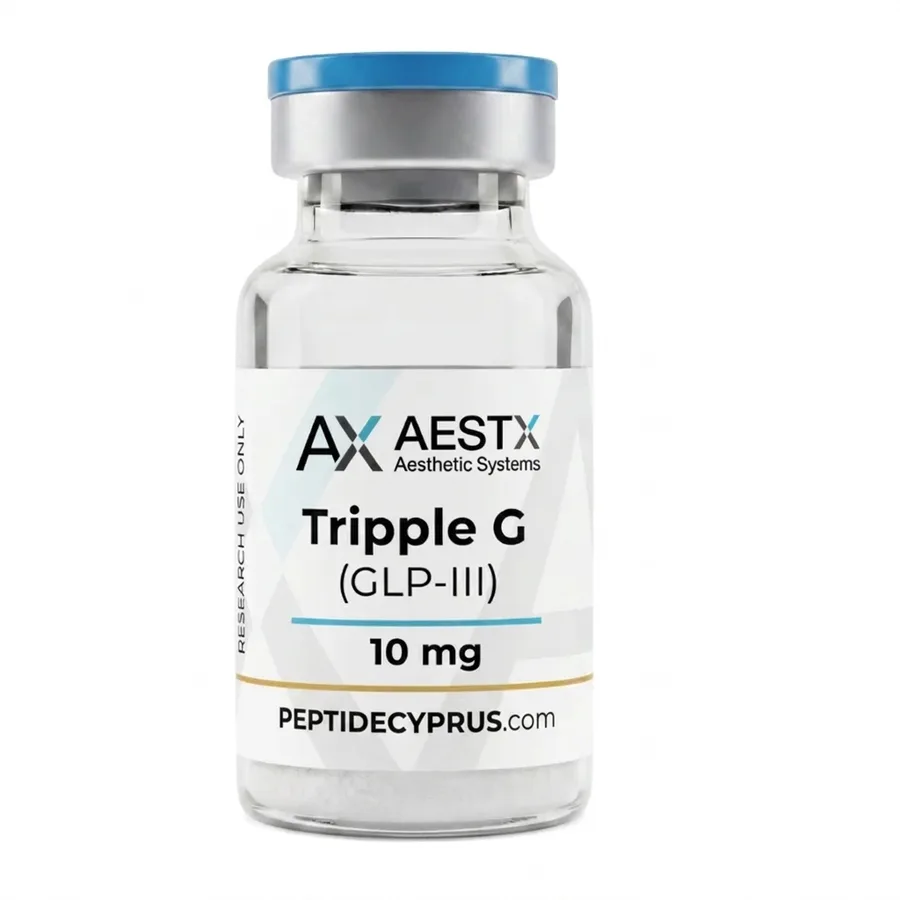
- The batch number on the COA must match the number printed on your vial.
What a COA is
A Certificate of Analysis is a batch-specific record of the analytical tests a reference material passed before release. It is the document that turns a claim of quality into evidence you can check.
What to look for
A meaningful COA records the product name, the batch number, HPLC purity (the peptide should be ≥99%), LC-MS identity confirmation, appearance, and the test date. The batch number is the key: it should match the number printed on your vial exactly.
Why batch-specific matters
A generic spec sheet describes a product; a batch-specific COA describes the exact material you received. If a supplier can only provide a generic document, the purity and identity claims are not verifiable for your vial.
Frequently asked
Research use only. This reference material is for in-vitro laboratory research. Not for human or animal consumption.