Key takeaways
- Research peptides are short amino-acid chains supplied as characterised reference standards.
- They are defined by data: sequence, molecular weight, HPLC purity and LC-MS identity.
- Every verified batch ships with a batch-specific Certificate of Analysis.
- "Research use only" means in-vitro laboratory use — never human or animal use.
Peptides, defined
Research peptides are short chains of amino acids — the same building blocks that make up proteins, just far shorter. In a laboratory context they are supplied as synthetic reference materials: precisely characterised standards used to study biological pathways in vitro.
Because they are reference materials, they are defined by their data — sequence, molecular weight, purity and identity — not by any claimed effect.
How they are supplied
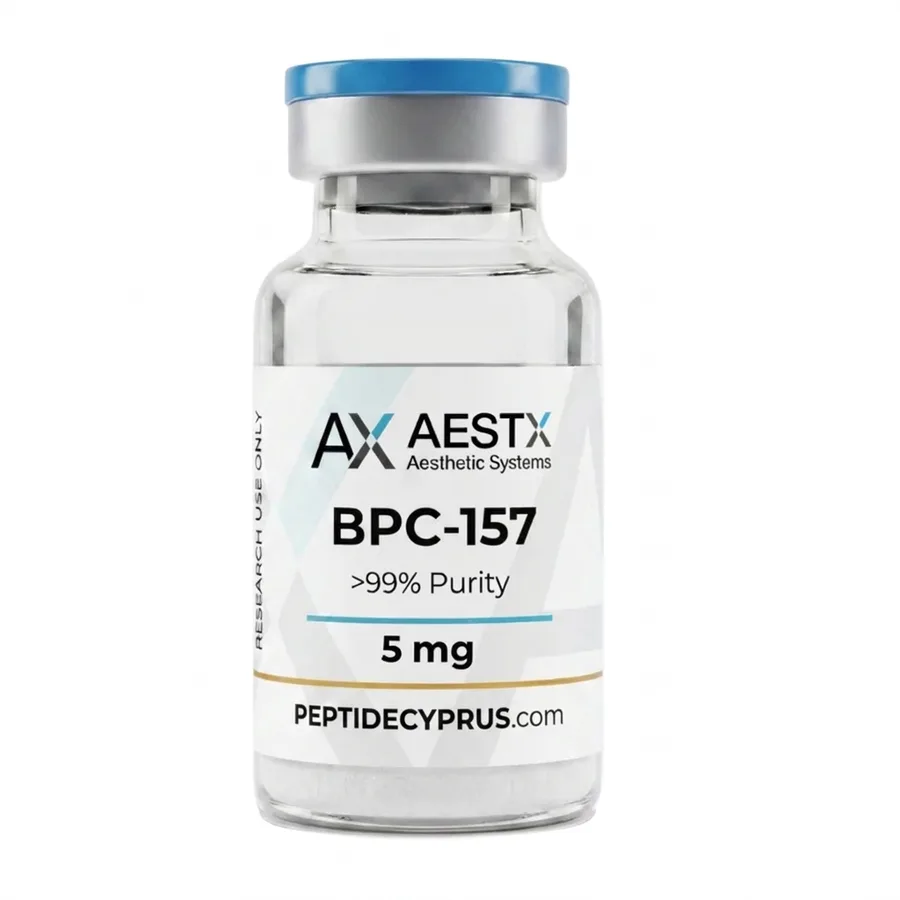
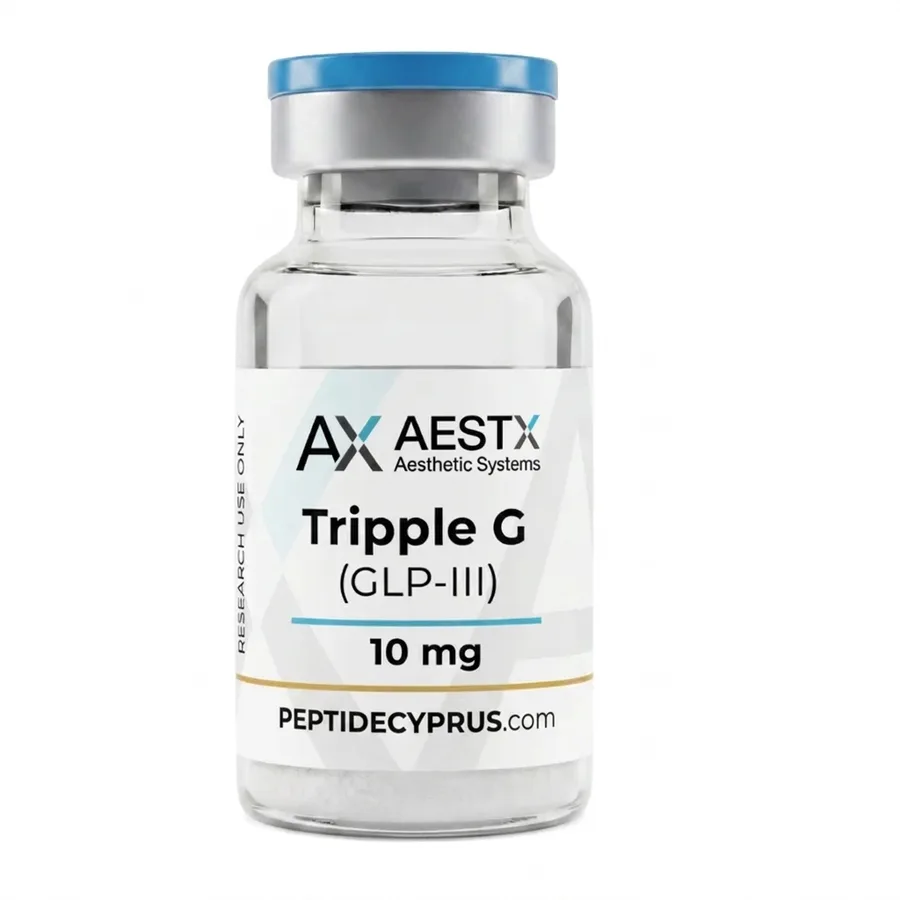
Reference peptides are typically supplied as a lyophilized (freeze-dried) powder in a sealed, light-protected vial. Before laboratory measurement they are reconstituted with bacteriostatic water. Each verified batch is released only after purity is confirmed by HPLC and identity by LC-MS, and is documented in a batch-specific Certificate of Analysis.
What "research use only" means
Research use only (RUO) is not a formality. It means the material is intended solely for in-vitro laboratory research — not for human or animal consumption, and not as a medicine, food or cosmetic. No physiological effect is claimed, and buyers are responsible for compliance with their local regulations.
Frequently asked
Research use only. This reference material is for in-vitro laboratory research. Not for human or animal consumption.